
Political Psychology
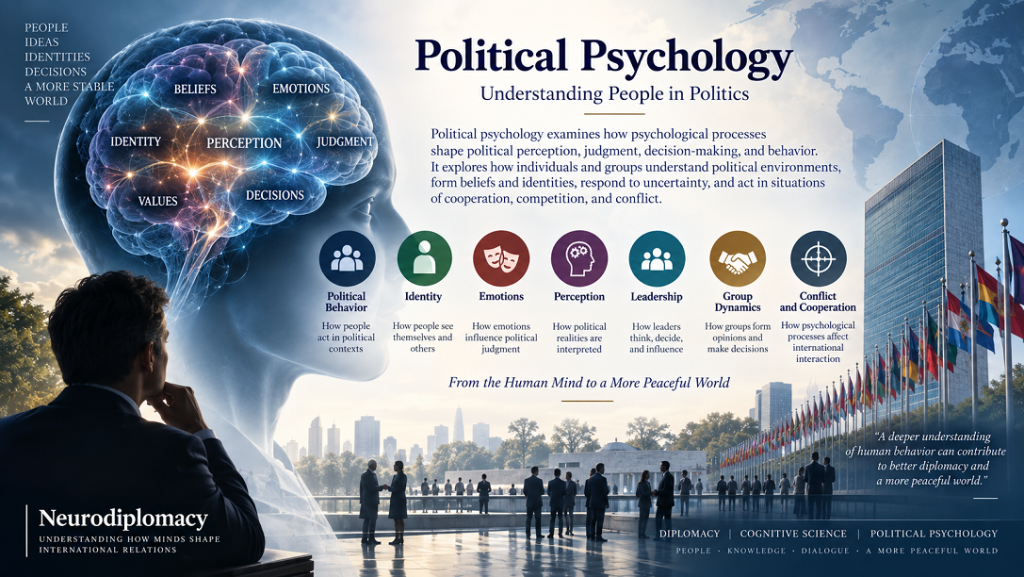
Understanding Politics and Human Behavior Political Psychology is the interdisciplinary scientific study of how psychological processes influence political behavior, decision-making, and political institutions. It seeks to understand how individuals and groups perceive political events, form political beliefs, make judgments about leaders and public policies, and behave in domestic and international political environments. By examining the […]
Book Review: Systems of States by Martin Wight
Introduction Martin Wight’s Systems of States, published posthumously in 1977, is one of the foundational works in the intellectual development of the English School of International Relations. The book represents a profound historical and philosophical exploration of the nature of international politics, the evolution of state systems, and the recurring patterns of order and conflict […]
Book Review: An Introduction to the English School of International Relations: The Societal Approach by Barry Buzan
Introduction Barry Buzan’s An Introduction to the English School of International Relations: The Societal Approach is one of the most significant contemporary contributions to the study of International Relations (IR) theory and represents a comprehensive effort to clarify, develop, and modernize the English School tradition. Published in 2014, the book provides a systematic introduction to […]
Book Review: The Anarchical Society: A Study of Order in World Politics by Hedley Bull
Introduction Hedley Bull’s The Anarchical Society: A Study of Order in World Politics is widely regarded as one of the most influential and enduring works in the discipline of International Relations (IR). First published in 1977, the book remains a cornerstone of the English School of International Relations and continues to shape scholarly debates concerning […]
Book Review: Influence: The Psychology of Persuasion by Robert B. Cialdini
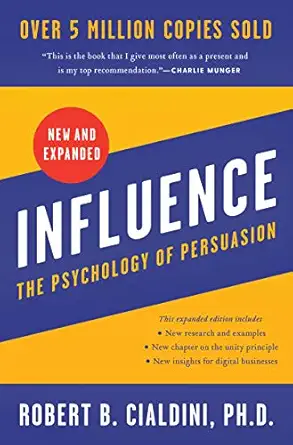
Introduction Robert B. Cialdini’s Influence: The Psychology of Persuasion is widely recognized as one of the most influential books ever written on the science of persuasion, compliance, and human decision-making. Since its first publication in 1984, the book has become a foundational text in social psychology, behavioral economics, marketing, communication studies, management, and political science. […]
Thinking Historically, Deciding Strategically: Historical Reasoning, Cognitive Judgment, and Foreign Policy Decision-Making
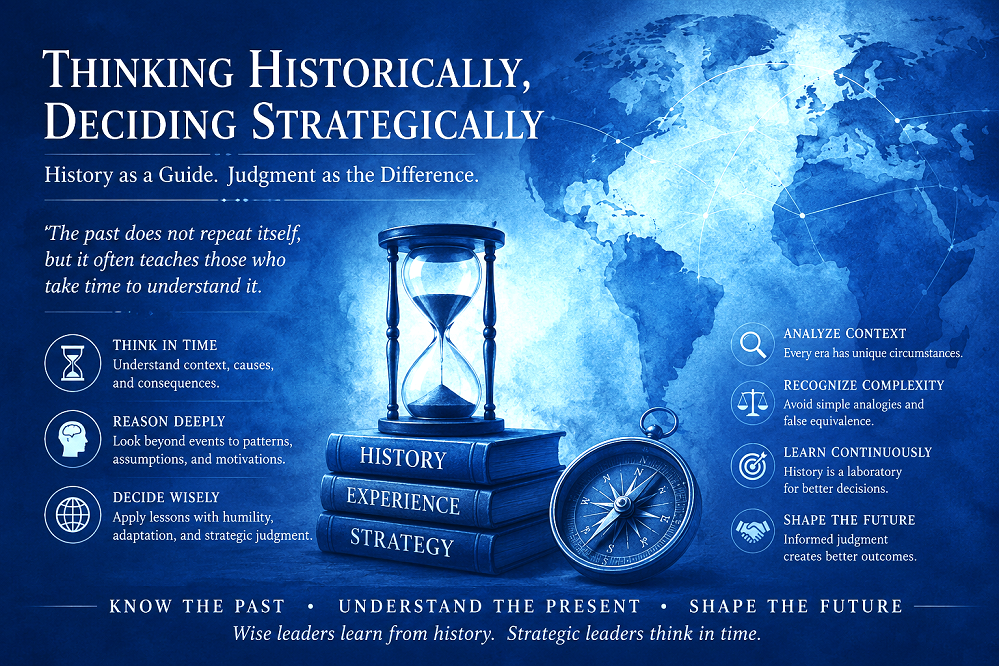
Abstract History has long served as one of the principal resources through which statesmen, diplomats, and political leaders interpret international events and formulate foreign policy. Yet history does not provide ready-made solutions to contemporary problems. Instead, it offers a framework for understanding patterns, identifying causal relationships, recognizing institutional continuity, and evaluating strategic alternatives. Richard E. […]
Book Review: Thinking in Time: The Uses of History for Decision-Makers
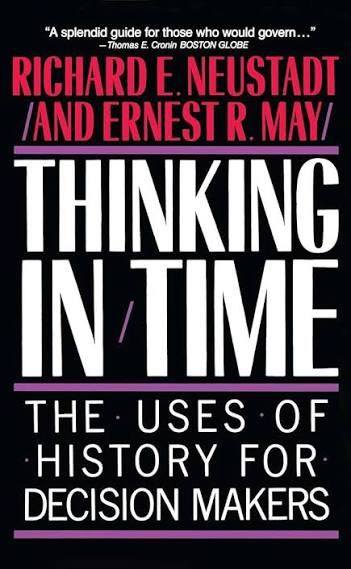
Introduction Few books have influenced the study and practice of foreign policy decision-making as profoundly as Richard E. Neustadt and Ernest R. May’s Thinking in Time: The Uses of History for Decision-Makers. Since its publication in 1986, the book has become a classic text for diplomats, military officers, intelligence analysts, civil servants, and scholars of […]
Book Review: Metaphors We Live By, by George Lakoff and Mark Johnson
Introduction Since its first publication in 1980, Metaphors We Live By by George Lakoff and Mark Johnson has become one of the most influential books in cognitive linguistics, philosophy, psychology, communication studies, and the social sciences. The book fundamentally challenged the traditional understanding of metaphor as merely a literary or rhetorical device. Instead, Lakoff and […]
Book Review: Pragmatics of Human Communication: A Study of Interactional Patterns, Pathologies, and Paradoxes by Paul Watzlawick, Janet H. Beavin, and Don D. Jackson
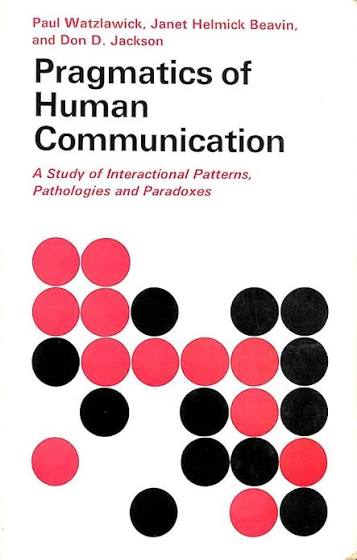
Introduction Paul Watzlawick, Janet H. Beavin, and Don D. Jackson’s Pragmatics of Human Communication: A Study of Interactional Patterns, Pathologies, and Paradoxes (1967) is one of the most influential works in the fields of communication theory, psychology, family systems theory, and interpersonal interaction. Developed at the Mental Research Institute (MRI) in Palo Alto, California, the […]