Bibliographic Information
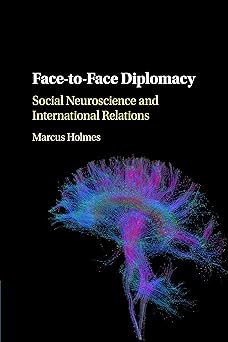
Holmes, Marcus. Face-to-Face Diplomacy: Social Neuroscience and International Relations. Cambridge: Cambridge University Press, 2018.
Introduction
Marcus Holmes’ Face-to-Face Diplomacy: Social Neuroscience and International Relations represents one of the most innovative and interdisciplinary contributions to contemporary international relations scholarship. By integrating insights from social neuroscience, psychology, diplomacy studies, and international relations theory, Holmes seeks to explain a fundamental yet often overlooked question in world politics: Why do face-to-face diplomatic meetings continue to play a crucial role in an era characterized by advanced communication technologies, digital diplomacy, and instantaneous information exchange?
Traditional theories of international relations often focus on material power, institutions, strategic interests, and information transmission. Holmes challenges these approaches by arguing that diplomacy is not merely an exchange of information but a deeply social and cognitive process rooted in the biological and psychological mechanisms of human interaction. Drawing on findings from social neuroscience, he contends that direct interpersonal encounters generate unique forms of understanding, trust, empathy, and cooperation that cannot be fully replicated through mediated communication.
The book is groundbreaking because it moves beyond conventional analyses of diplomacy and introduces a neurocognitive perspective that emphasizes the role of the human brain in shaping international political behavior. As such, it occupies an important place at the intersection of diplomacy studies, political psychology, cognitive science, and what is increasingly referred to as neurodiplomacy.
Central Argument
The central thesis of the book is that face-to-face diplomacy matters because human beings possess neurobiological mechanisms that facilitate social understanding during direct interpersonal interaction.
Holmes argues that international relations scholars have traditionally underestimated the importance of physical presence in diplomatic encounters. While technological advances allow leaders and diplomats to communicate rapidly across great distances, direct meetings continue to play a vital role in international politics because they activate cognitive and emotional processes that enhance mutual understanding.
According to Holmes, face-to-face interactions enable diplomats and political leaders to:
Interpret nonverbal signals.
Assess intentions more accurately.
Develop interpersonal trust.
Build empathy.
Reduce uncertainty.
Establish shared understandings.
These processes emerge from neural systems that evolved to facilitate social cognition and cooperation among human beings.
Consequently, diplomacy cannot be understood solely as a rational exchange of information. It must also be understood as a neurocognitive and social process.
Theoretical Framework
Social Neuroscience and International Relations
The book’s most significant contribution is its integration of social neuroscience into international relations theory.
Social neuroscience examines how biological and neural mechanisms influence social behavior. Holmes draws upon this field to explain how diplomats perceive, interpret, and respond to one another during interpersonal encounters.
He argues that face-to-face meetings activate neural processes associated with:
Social cognition
Empathy
Emotional recognition
Trust formation
Perspective-taking
These processes influence diplomatic outcomes in ways that traditional international relations theories often overlook.
By introducing neuroscience into the study of diplomacy, Holmes broadens the analytical foundations of international relations and challenges scholars to consider the biological dimensions of political behavior.
The Concept of “Trust Building”
A central theme throughout the book is trust.
Holmes argues that trust emerges more readily during direct interpersonal interaction because face-to-face encounters provide access to rich social information unavailable through written or mediated communication.
Through observation of:
Facial expressions
Eye contact
Body language
Vocal tone
Emotional responses
individuals develop more accurate assessments of one another’s intentions.
This process helps reduce uncertainty and facilitates cooperation in diplomatic settings.
Trust, therefore, becomes not merely a political phenomenon but also a neurocognitive one.
Major Themes
Humanizing International Politics
One of the book’s most important contributions is its effort to humanize international relations.
Traditional theories often treat states as abstract actors pursuing interests within a strategic environment. Holmes shifts attention to the individuals who represent those states and examines how human interaction shapes political outcomes.
This perspective highlights the importance of:
Leadership
Personal relationships
Communication
Emotional intelligence
Social understanding
in diplomatic practice.
Nonverbal Communication
The book emphasizes the importance of nonverbal communication in international diplomacy.
Holmes argues that much of the information exchanged during diplomatic encounters is communicated through:
Facial expressions
Gestures
Posture
Eye contact
Emotional displays
These signals provide insights into intentions, credibility, sincerity, and trustworthiness.
Because such cues are difficult to transmit through digital communication, face-to-face meetings retain significant value even in the modern technological era.
Empathy and Perspective-Taking
Another recurring theme is empathy.
Holmes suggests that direct interpersonal interaction enhances the ability of diplomats and leaders to understand the perspectives and motivations of others.
Empathy contributes to:
Conflict resolution
Negotiation success
Trust-building
Relationship development
By facilitating perspective-taking, face-to-face diplomacy can reduce misunderstandings and improve international cooperation.
Contributions to Diplomatic Studies
Reaffirming the Importance of Diplomacy
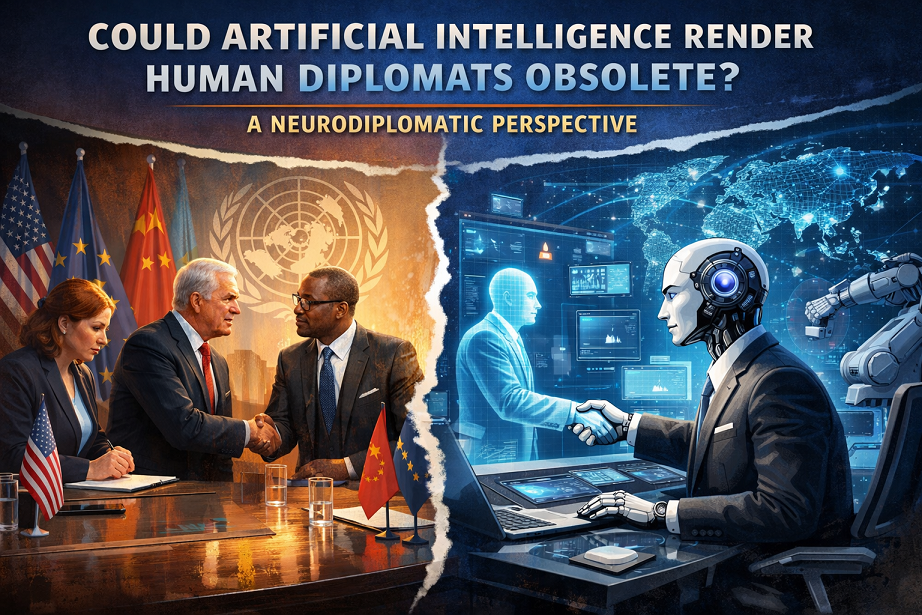
In an era increasingly dominated by digital communication, the book provides a powerful defense of traditional diplomatic engagement.
Holmes demonstrates that diplomatic summits, negotiations, and personal meetings remain indispensable because they generate forms of understanding that cannot be achieved through technology alone.
Explaining Diplomatic Success
The book offers a compelling explanation for why some diplomatic encounters succeed while others fail.
Successful diplomacy often depends not only on strategic interests but also on interpersonal dynamics, emotional connections, and trust formation.
This insight provides a richer understanding of diplomatic practice and negotiation.
Bridging Theory and Practice
The book effectively connects scientific research with real-world diplomatic behavior.
Its findings have practical implications for:
Diplomats
Negotiators
Mediators
Foreign policy officials
International organizations
Relevance to Political Psychology
The book contributes significantly to political psychology by demonstrating how psychological mechanisms shape international interactions.
Key psychological themes include:
Social cognition
Emotional perception
Trust
Identity
Empathy
Interpersonal influence
Holmes illustrates how these factors affect diplomatic behavior and international outcomes.
His work complements earlier scholarship by Robert Jervis, Rose McDermott, and other political psychologists who emphasize the importance of perception and cognition in international relations.
Relevance to Cognitive Science
Face-to-Face Diplomacy is highly relevant to cognitive science because it explores the cognitive mechanisms underlying social interaction.
The book addresses issues central to cognitive science, including:
Information processing
Social perception
Mental representation
Attention
Emotion recognition
Perspective-taking
Holmes demonstrates that diplomatic encounters are fundamentally cognitive events in which individuals interpret complex social information and construct understandings of others.
The book therefore represents an important application of cognitive science to international politics.
Relevance to Neurodiplomacy
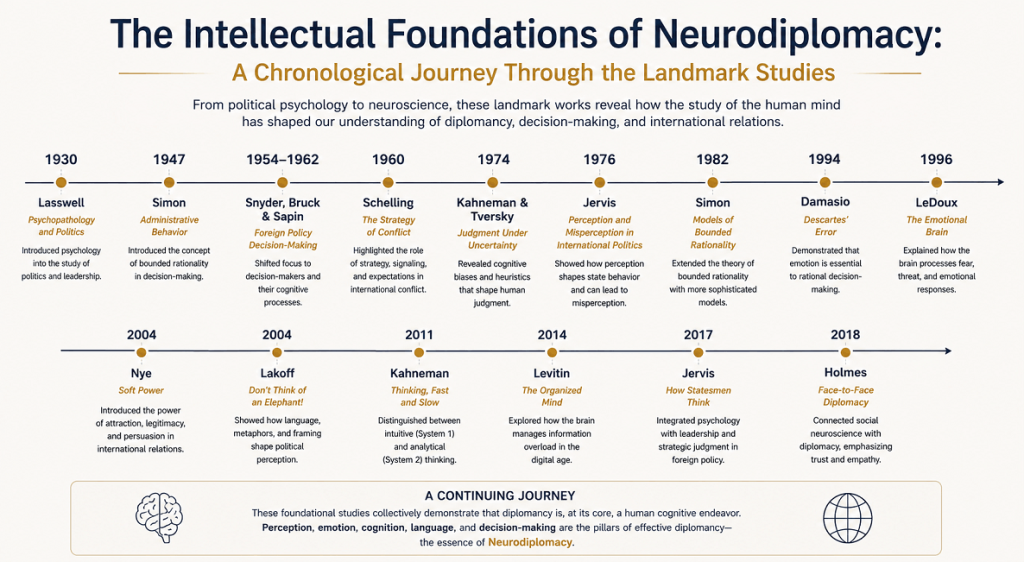
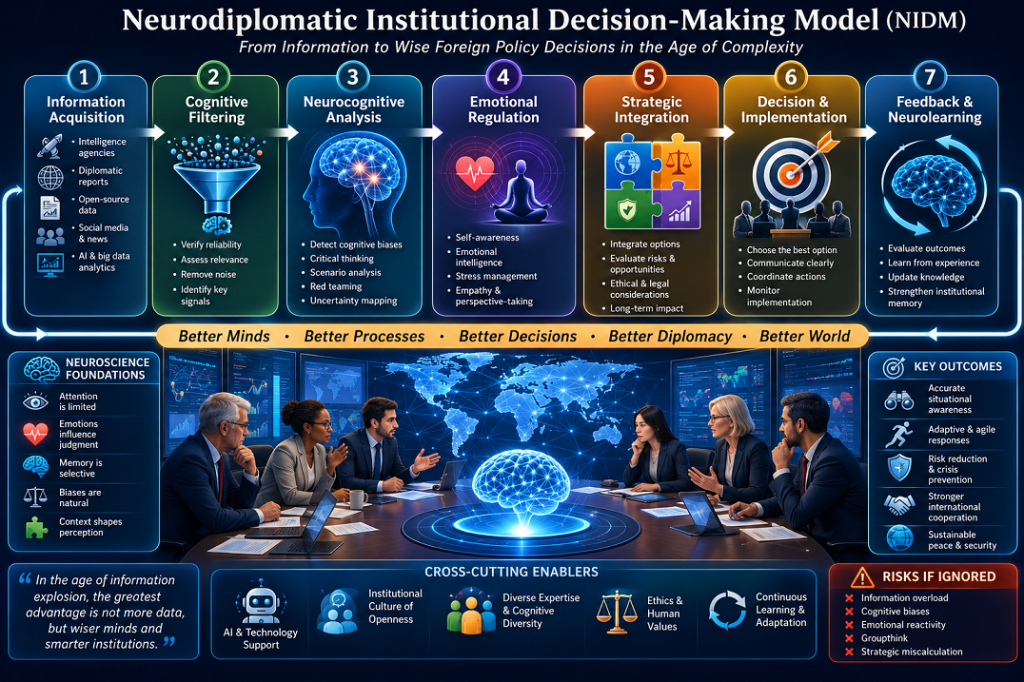
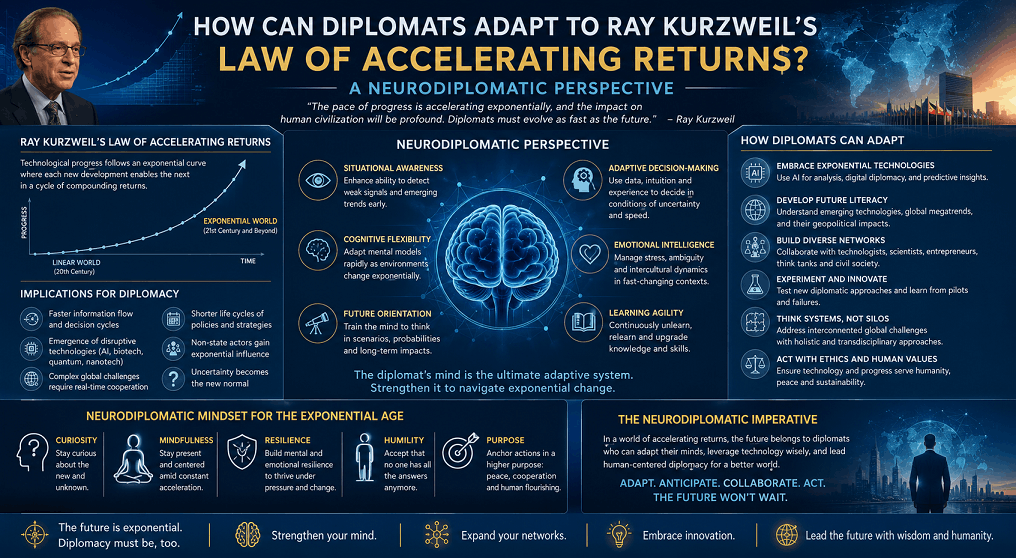
Perhaps the book’s greatest significance lies in its contribution to the emerging field of Neurodiplomacy.
Neurodiplomacy seeks to integrate diplomacy with:
Neuroscience
Cognitive science
Political psychology
Communication studies
to better understand diplomatic behavior and international cooperation.
Holmes provides one of the most sophisticated theoretical foundations for this field.
Several themes central to neurodiplomacy appear throughout the book:
Neural Foundations of Trust
The book explains how trust emerges from neurocognitive mechanisms activated during face-to-face interaction.
Social Cognition and Diplomacy
Holmes demonstrates that successful diplomacy depends on the ability to understand the thoughts, intentions, and emotions of others.
Empathy in International Relations
The book highlights empathy as a critical diplomatic resource that can facilitate cooperation and conflict resolution.
Biological Foundations of Cooperation
By examining how evolved social mechanisms influence political behavior, Holmes offers a novel perspective on international cooperation.
For scholars of neurodiplomacy, this book represents one of the most important attempts to connect neuroscience directly to diplomatic practice.
Strengths
Interdisciplinary Innovation
The integration of social neuroscience and international relations is highly original and intellectually ambitious.
Theoretical Originality
Holmes introduces a novel framework that challenges conventional assumptions about diplomacy and communication.
Practical Relevance
The book offers insights that are directly applicable to diplomacy, negotiation, mediation, and conflict resolution.
Contribution to Emerging Fields
The work significantly advances research in:
Political psychology
Diplomatic studies
Cognitive science
Social neuroscience
Neurodiplomacy
Limitations and Criticisms
Emerging Scientific Foundations
Because neuroscience is a rapidly evolving field, some of the empirical findings upon which the book relies may require revision as new research emerges.
Risk of Biological Reductionism
Some critics may argue that emphasizing neural mechanisms risks underestimating the importance of historical, cultural, institutional, and structural factors in international politics.
Limited Cultural Diversity
The universality of certain social neuroscience findings across diverse cultural contexts remains an area requiring further investigation.
Nevertheless, these limitations are relatively minor compared to the book’s substantial contributions.
Conclusion
Face-to-Face Diplomacy: Social Neuroscience and International Relations is a pioneering and highly influential work that fundamentally expands the study of diplomacy by incorporating insights from social neuroscience. Marcus Holmes convincingly demonstrates that diplomatic interactions are not merely exchanges of information but complex social and cognitive processes rooted in the biology of human interaction.
By emphasizing trust, empathy, social cognition, and interpersonal communication, the book offers a richer understanding of how diplomacy functions in practice. Its interdisciplinary approach successfully bridges international relations, psychology, neuroscience, and diplomacy studies, making it a landmark contribution to contemporary scholarship.
For researchers interested in diplomacy, political psychology, cognitive science, international negotiations, and neurodiplomacy, this book is indispensable. It provides one of the clearest and most sophisticated explanations of how human neurocognitive processes shape international relations and diplomatic outcomes.