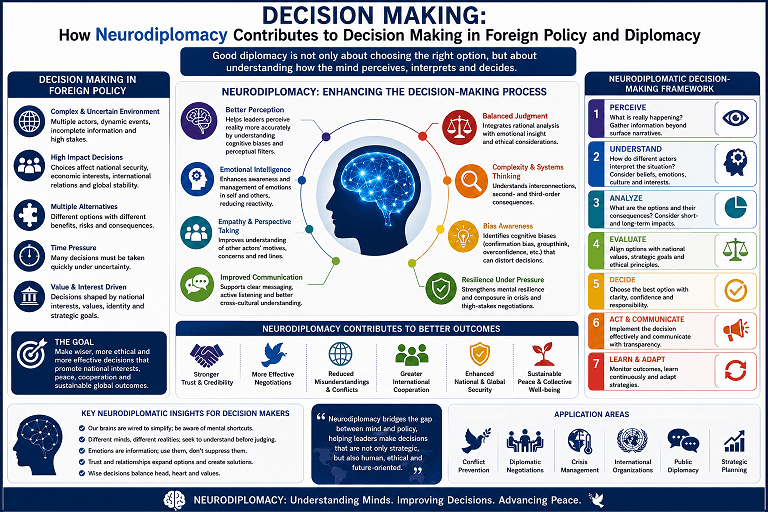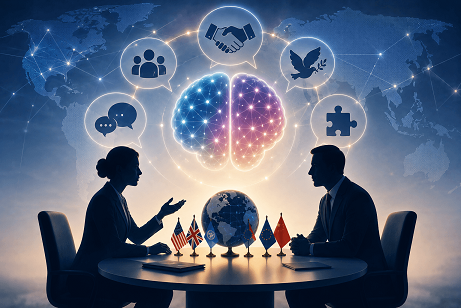
Advanced NLP (Neuro-Linguistic Programming) language patterns go beyond basic communication techniques such as rapport building, reframing, and Meta Model questioning. They focus on influencing perceptions, expanding cognitive flexibility, shaping meaning, and facilitating behavioral change through sophisticated linguistic structures.
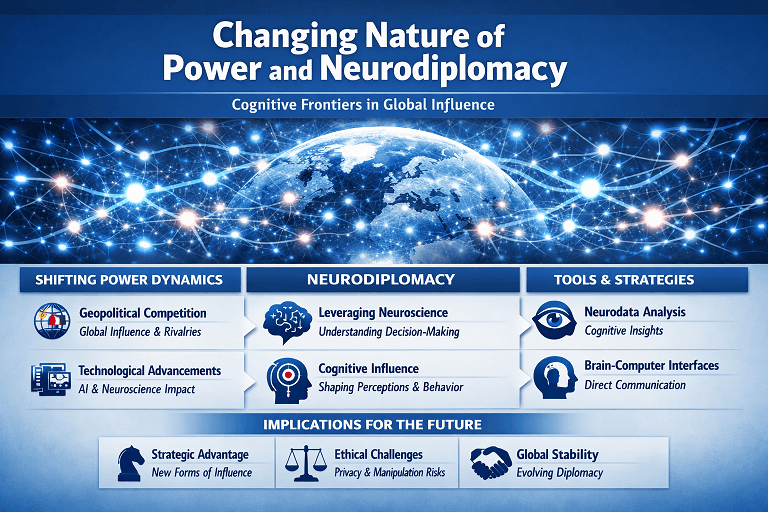
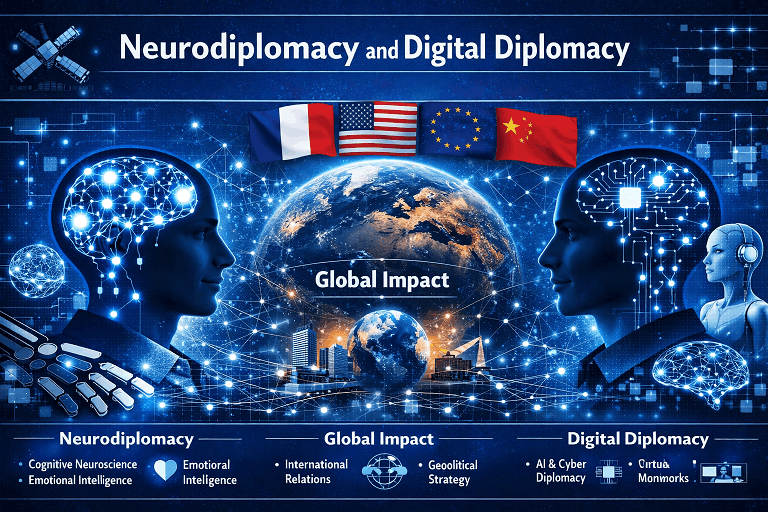
From the perspective of Neurodiplomacy, advanced NLP language patterns are valuable because diplomacy is fundamentally an exercise in influencing how people perceive reality. Diplomatic success often depends not on changing objective facts, but on changing the meanings attached to those facts.
In negotiations, mediation, public diplomacy, and conflict resolution, advanced language patterns can help diplomats reduce resistance, create new perspectives, build trust, and encourage cooperation.
Why Advanced Language Patterns Matter in Diplomacy
Traditional diplomacy often assumes that political actors respond rationally to facts and interests.
Neurodiplomacy suggests a different reality:
Political actors respond to:
- Perceptions.
- Beliefs.
- Emotional states.
- Identity narratives.
- Cognitive frames.
- Communication patterns.
Language influences all of these dimensions.
Advanced NLP language patterns provide diplomats with tools for navigating these psychological processes.
1. Conversational Reframing
Reframing changes the meaning assigned to an event without changing the event itself.
Diplomatic Example
Original statement:
“This crisis threatens regional stability.”
Reframed statement:
“This situation presents an opportunity to strengthen regional cooperation.”
Neurodiplomatic Function
Reframing alters:
- Emotional reactions.
- Risk perception.
- Policy preferences.
- Negotiation attitudes.
Effective diplomats are often expert reframers.
2. Sleight of Mouth Patterns
Sleight of Mouth patterns are advanced verbal strategies developed by Robert Dilts for transforming beliefs and perspectives.
Example: Redefinition
Statement:
“Compromise is weakness.”
Diplomatic response:
“Perhaps compromise can also be viewed as strategic flexibility.”
Example: Consequence
Statement:
“Negotiating with them is dangerous.”
Response:
“What might happen if dialogue is avoided entirely?”
Neurodiplomatic Value
These patterns encourage cognitive flexibility and challenge rigid thinking.
3. Presupposition Patterns
Presuppositions embed assumptions within language.
Standard Question
“Can peace be achieved?”
Presuppositional Language
“As both sides continue moving toward peace…”
The second statement assumes:
- Peace is possible.
- Progress exists.
- Cooperation continues.
Diplomatic Applications
- Mediation.
- Peacebuilding.
- Confidence-building measures.
- Public diplomacy.
4. Embedded Suggestions
Embedded suggestions subtly direct attention toward desired outcomes.
Example
“As discussions continue, many new possibilities for cooperation may emerge.”
Embedded message:
“Possibilities for cooperation.”
Neurodiplomatic Benefit
Reduces resistance because the suggestion is indirect rather than confrontational.
5. Nested Loops and Strategic Storytelling
Complex negotiations often involve strong emotional resistance.
Storytelling can bypass defensive thinking.
Example
A diplomat discussing reconciliation may tell a historical story about former adversaries who eventually became partners.
The listener unconsciously relates the story to the current situation.
Neurodiplomatic Effect
Stories influence:
- Identity.
- Emotional engagement.
- Perspective-taking.
- Future expectations.
6. Future Pacing
Future pacing encourages participants to mentally experience successful outcomes.
Example
“Imagine that ten years from now the region enjoys stability, prosperity, and cooperation. What decisions helped create that future?”
Diplomatic Uses
- Peace negotiations.
- Strategic planning.
- International development.
- Alliance building.
Neurodiplomatic Impact
Activates future-oriented thinking and reduces fixation on present conflicts.
7. The “As If” Pattern
This pattern encourages temporary adoption of alternative perspectives.
Example
“If you were viewing this issue from your counterpart’s perspective, what concerns might appear most important?”
Diplomatic Value
Promotes empathy and perspective-taking.
Neurodiplomatic Importance
Reduces polarization and increases understanding.
8. Double-Bind Patterns
Double binds present multiple acceptable choices while maintaining movement toward cooperation.
Example
Instead of:
“Will you participate in negotiations?”
A diplomat may ask:
“Would your delegation prefer bilateral discussions or multilateral discussions as the next step?”
Participation is presupposed.
Diplomatic Benefit
Focuses attention on how rather than whether progress occurs.
9. Identity-Based Language Patterns
People often act consistently with their identities.
Example
“Your nation has historically played a constructive leadership role in the region.”
This aligns cooperation with the counterpart’s identity.
Neurodiplomatic Effect
Behavior becomes linked to self-image.
10. Values-Based Language Patterns
Conflicts frequently involve competing values.
Advanced NLP identifies and utilizes shared values.
Example
Instead of emphasizing disagreement:
“Both parties place great importance on security, stability, and prosperity.”
Result
Creates common psychological ground.
11. Metaphorical Language
Metaphors influence cognition by shaping mental models.
Conflict Frame
“A battle.”
Neurodiplomatic Frame
“A bridge-building process.”
Cooperative Frame
“A shared journey.”
The metaphor chosen influences how people perceive available options.
12. Strategic Ambiguity
Diplomacy frequently requires language that allows multiple interpretations.
Example
“The parties remain committed to pursuing mutually acceptable arrangements.”
This permits flexibility while preserving agreement.
Neurodiplomatic Benefit
Reduces confrontation and maintains dialogue.
Advanced NLP Patterns in Diplomatic Negotiation
A Neurodiplomatic negotiator may:
Build Rapport
Establish trust and psychological connection.
Clarify Assumptions
Use Meta Model questioning.
Reframe Problems
Transform threats into opportunities.
Use Presuppositions
Embed cooperation-oriented assumptions.
Future Pace
Create positive visions of success.
Anchor Shared Values
Emphasize common interests and identities.
Together, these patterns create a more constructive negotiating environment.
Applications in Public Diplomacy
Advanced NLP language patterns can help diplomats:
- Influence international narratives.
- Improve intercultural communication.
- Build national reputation.
- Manage crises.
- Counter misinformation.
Public diplomacy increasingly involves shaping perceptions rather than simply providing information.
Neurodiplomatic Implications
Advanced NLP language patterns align closely with Neurodiplomacy because both emphasize:
- Perception.
- Meaning construction.
- Communication.
- Emotional intelligence.
- Cognitive flexibility.
- Identity formation.
Rather than treating diplomacy as a purely rational exchange of interests, Neurodiplomacy recognizes that language shapes the mental realities within which political actors operate.
Conclusion
Advanced NLP language patterns provide diplomats with sophisticated tools for influencing perceptions, managing conflict, facilitating negotiation, and promoting cooperation. Through reframing, presuppositions, embedded suggestions, storytelling, future pacing, identity-based communication, and values alignment, diplomats can create communicative environments that encourage constructive outcomes.
From a Neurodiplomatic perspective, these language patterns are not merely techniques of persuasion; they are mechanisms for shaping how individuals and societies construct political reality. As diplomacy increasingly operates in a world characterized by complexity, uncertainty, and competing narratives, mastery of advanced communication patterns may become an essential skill for the diplomats of the twenty-first century.