
The Use of Advanced NLP Language Patterns in Diplomacy
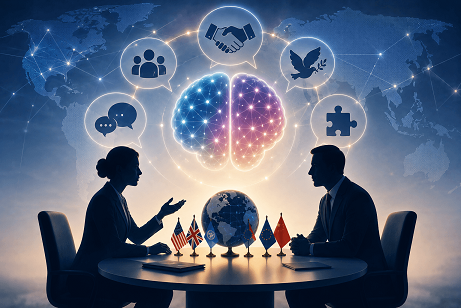
Advanced NLP (Neuro-Linguistic Programming) language patterns go beyond basic communication techniques such as rapport building, reframing, and Meta Model questioning. They focus on influencing perceptions, expanding cognitive flexibility, shaping meaning, and facilitating behavioral change through sophisticated linguistic structures. From the perspective of Neurodiplomacy, advanced NLP language patterns are valuable because diplomacy is fundamentally an exercise […]
The Use of Metaphor in Neurodiplomacy

Metaphors are among the most powerful tools of human communication. They do not merely decorate language; they shape how people think, perceive reality, interpret events, and make decisions. In diplomacy, metaphors help leaders, diplomats, and societies understand complex international issues by connecting abstract political concepts to familiar experiences. From the perspective of Neurodiplomacy, metaphors are […]
The Use of the Meta Model in Neurodiplomacy
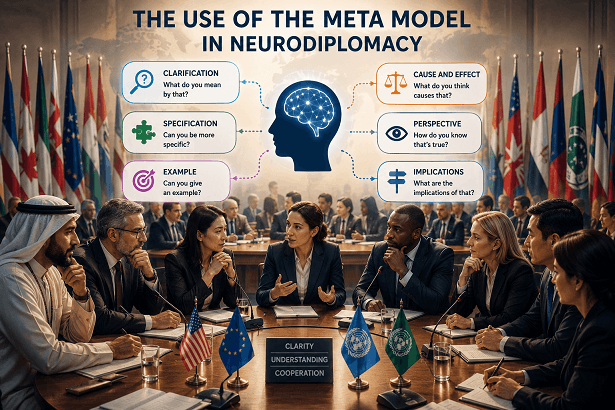
Introduction The Meta Model is one of the most important communication frameworks in Neuro-Linguistic Programming (NLP). Developed by Richard Bandler and John Grinder, it consists of a series of questioning techniques designed to clarify language, challenge assumptions, uncover hidden meanings, and reduce misunderstandings. From the perspective of Neurodiplomacy, the Meta Model is particularly valuable because […]
The Milton Model in Neurodiplomacy
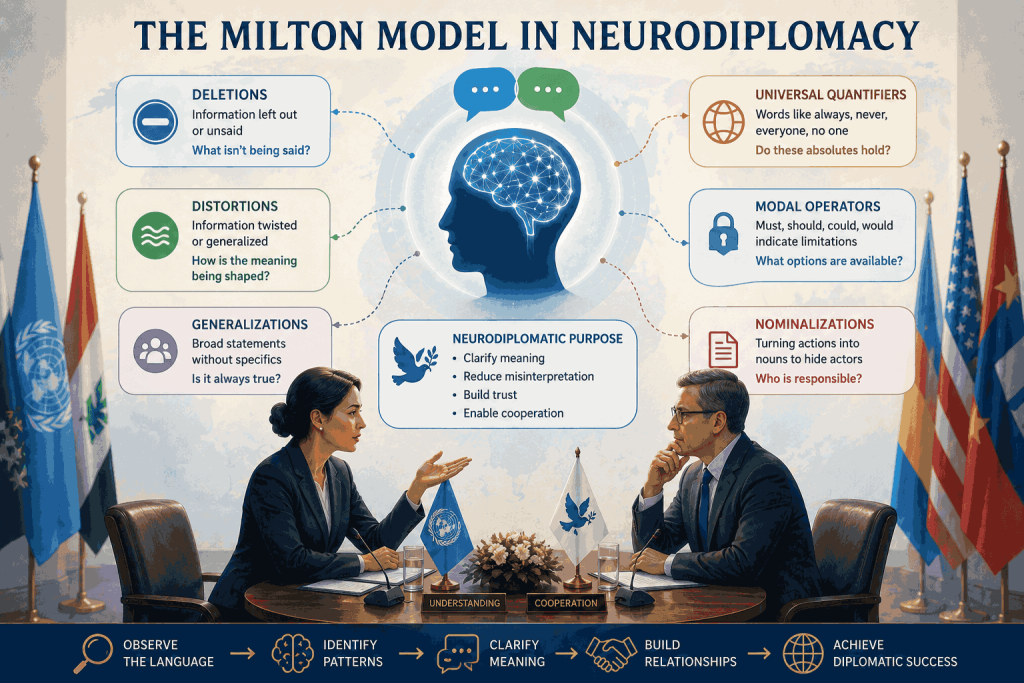
The Milton Model, developed by Richard Bandler and John Grinder through their study of the communication patterns of Milton H. Erickson, consists of language patterns designed to influence thinking through indirect suggestion, ambiguity, metaphor, presupposition, and permissive communication. From a Neurodiplomatic perspective, the Milton Model offers a valuable framework for understanding how diplomats can influence […]
How Diplomats Can Use NLP Language Patterns in Diplomacy and International Relations
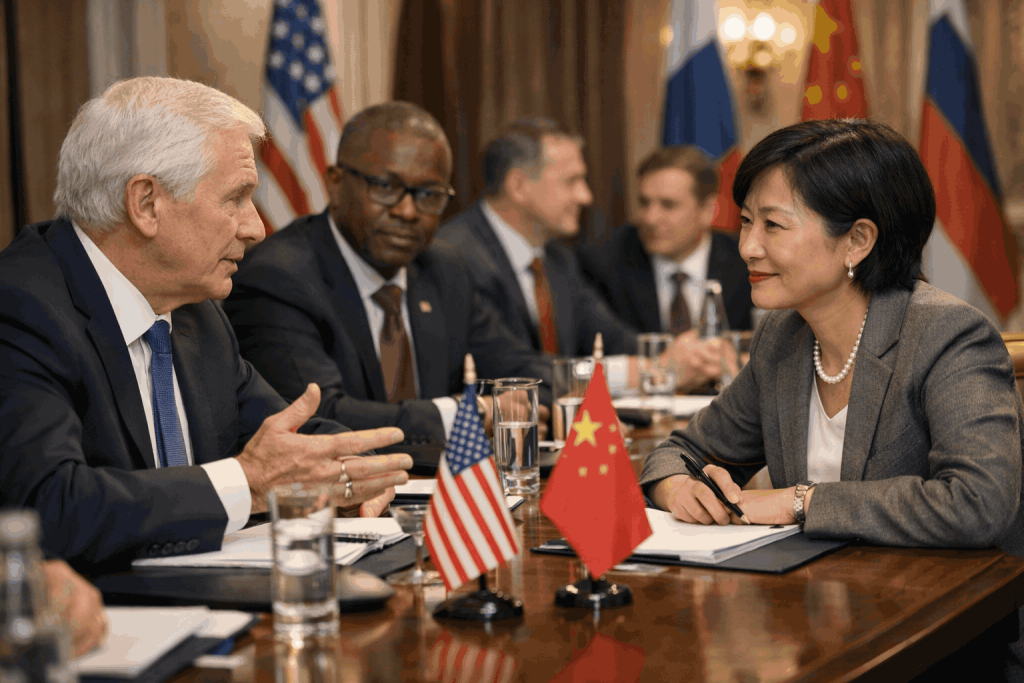
In the context of Neurodiplomacy, language is not merely a tool for transmitting information; it is a mechanism for shaping perceptions, influencing emotions, building trust, and creating political realities. NLP (Neuro-Linguistic Programming) language patterns provide diplomats with practical communication techniques that can improve negotiations, conflict resolution, public diplomacy, and international cooperation. Diplomats constantly work in […]
NLP Language Patterns and Neurodiplomacy
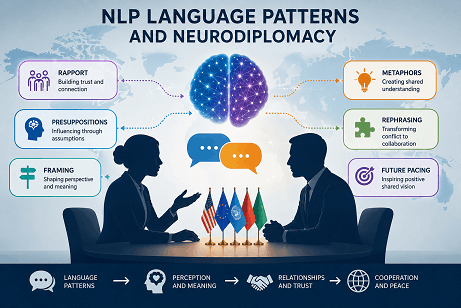
Neurodiplomacy seeks to understand how perception, cognition, emotion, communication, and identity influence diplomatic behavior and international relations. Since diplomacy is fundamentally a process of communication, language becomes one of the most powerful instruments through which diplomats shape perceptions, influence decisions, build trust, and resolve conflicts. Within this context, Neuro-Linguistic Programming (NLP) language patterns offer valuable […]