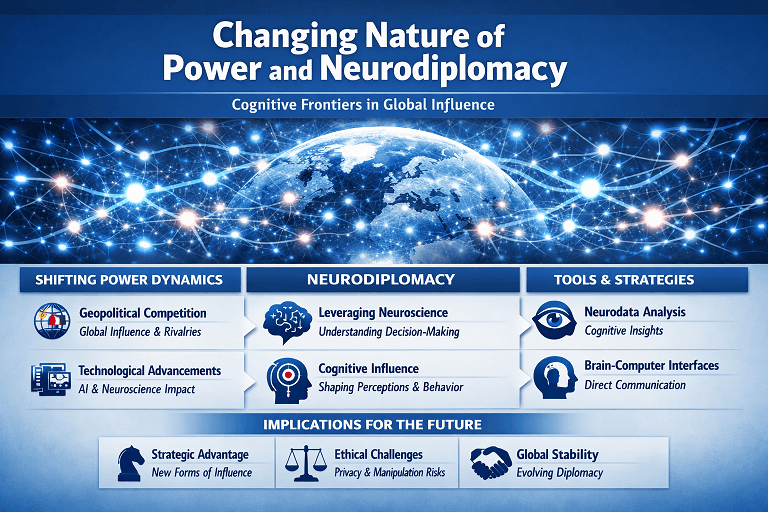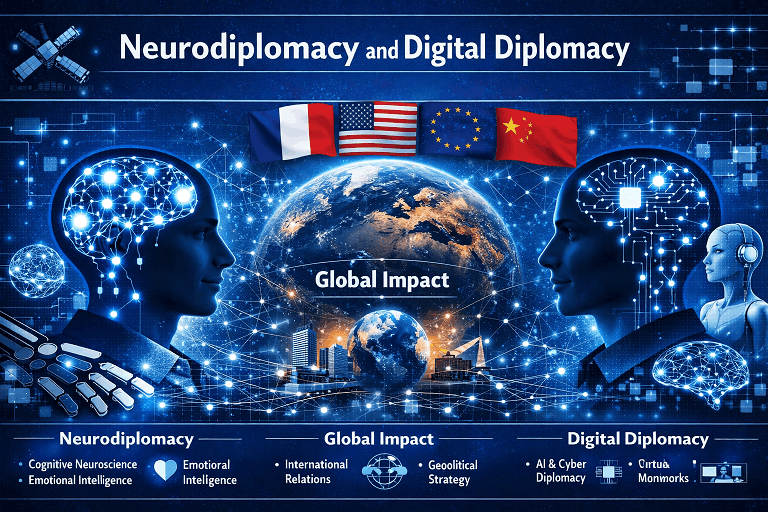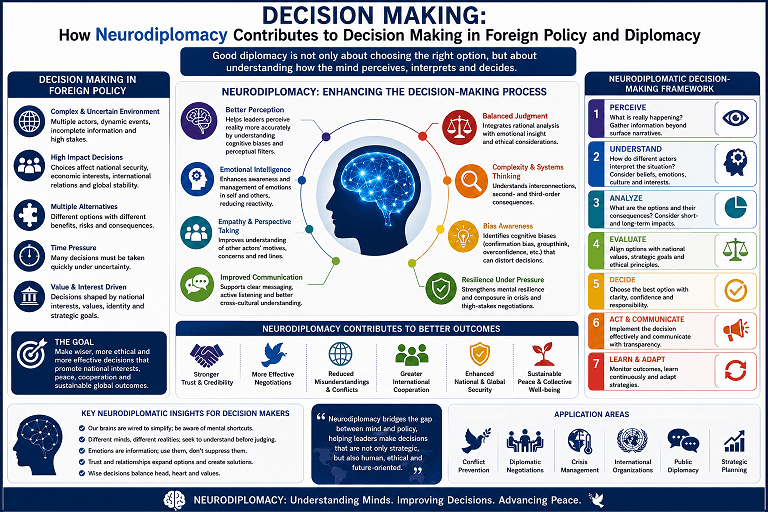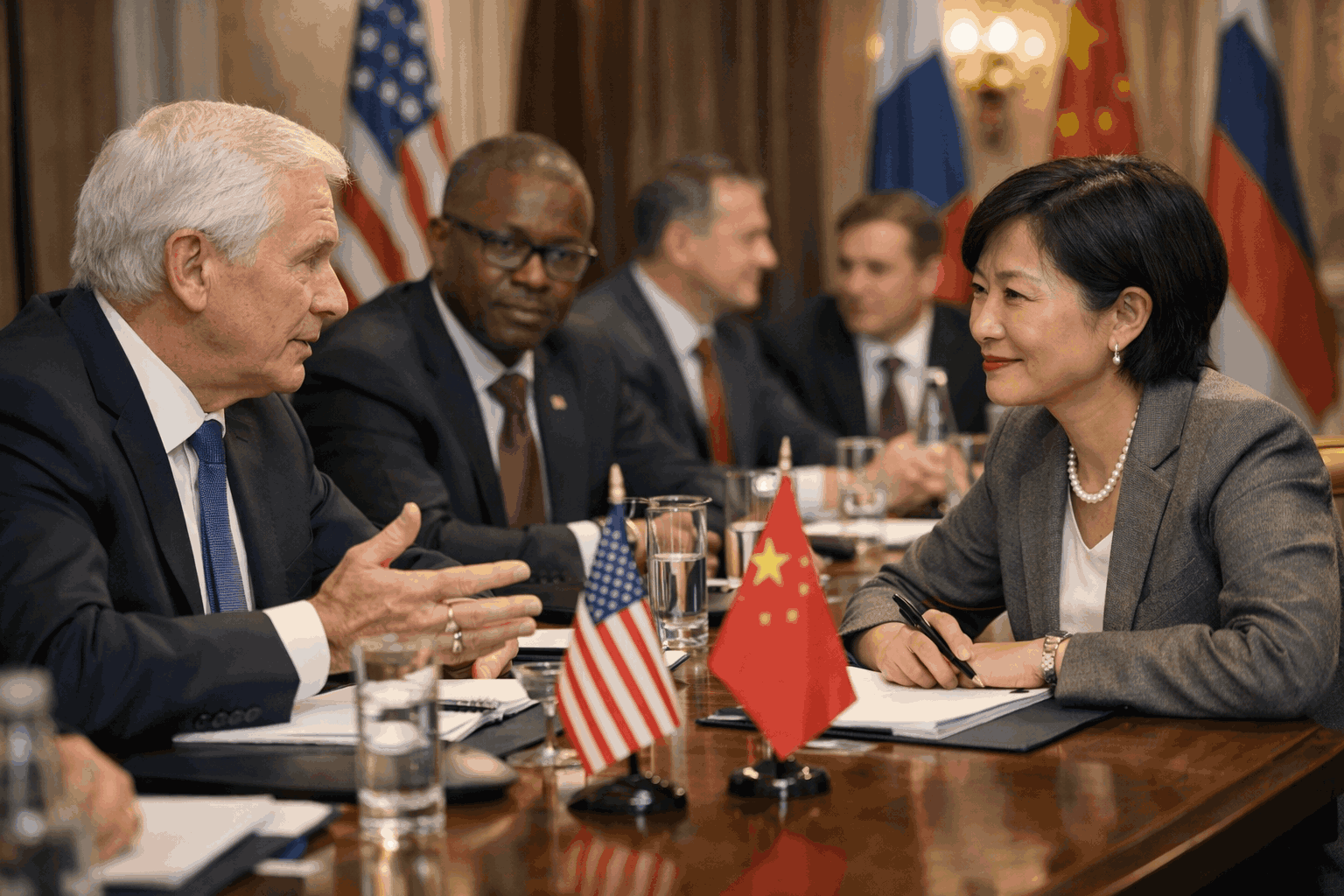
In the context of Neurodiplomacy, language is not merely a tool for transmitting information; it is a mechanism for shaping perceptions, influencing emotions, building trust, and creating political realities. NLP (Neuro-Linguistic Programming) language patterns provide diplomats with practical communication techniques that can improve negotiations, conflict resolution, public diplomacy, and international cooperation.
Diplomats constantly work in environments characterized by uncertainty, cultural differences, competing interests, and emotional sensitivities. NLP language patterns can help diplomats communicate more effectively by influencing how messages are perceived and interpreted.
1. Building Rapport with Counterparts
Rapport is one of the most important diplomatic skills.
People are generally more willing to cooperate with individuals whom they trust and understand.
NLP Techniques
- Matching communication style.
- Using similar vocabulary.
- Respecting cultural language patterns.
- Active listening.
- Reflecting key concerns.
Example
Instead of immediately presenting demands, a diplomat may say:
“I understand the concerns your government has regarding regional security.”
This creates psychological alignment before discussing contentious issues.
Neurodiplomatic Benefit
Rapport reduces defensive reactions and increases trust.
2. Using Presuppositions to Encourage Cooperation
Presuppositions are assumptions embedded within language.
Rather than arguing whether cooperation is possible, diplomats can communicate as if cooperation is already a realistic option.
Example
Instead of:
“Can we find a solution?”
Use:
“As we explore possible solutions together…”
The second statement presupposes that solutions exist.
Diplomatic Application
- Peace negotiations.
- Mediation.
- Confidence-building measures.
- Bilateral dialogue.
3. Reframing Conflict Situations
Reframing changes the meaning attached to a situation.
Traditional Frame
“This dispute threatens regional stability.”
Reframed Version
“This dialogue provides an opportunity to strengthen regional stability.”
The facts remain the same, but attention shifts toward possibilities rather than threats.
Diplomatic Uses
- Peace processes.
- Crisis management.
- Public diplomacy.
- Conflict transformation.
4. Asking Meta Model Questions
The NLP Meta Model helps uncover assumptions, distortions, and generalizations.
Example
Statement:
“They never honor agreements.”
Diplomatic Response:
“Can you identify specific agreements that were violated?”
This transforms emotional accusations into factual discussion.
Benefits
- Reduces stereotyping.
- Improves analytical thinking.
- Clarifies misunderstandings.
- Enhances decision-making.
5. Converting Positions into Interests
Diplomatic deadlocks often occur because parties focus on positions rather than interests.
Position
“We will never withdraw.”
NLP Exploration
“What concerns would need to be addressed before withdrawal became possible?”
The discussion moves from rigid positions to underlying motivations.
Applications
- Territorial disputes.
- Security negotiations.
- Trade agreements.
- Peace settlements.
6. Using Outcome-Oriented Language
Diplomats often become trapped in discussing problems.
NLP encourages focusing on desired outcomes.
Problem-Oriented Question
“Why is this conflict continuing?”
Outcome-Oriented Question
“What would a successful resolution look like?”
This shifts attention toward solutions.
Neurodiplomatic Impact
The brain naturally begins searching for constructive possibilities.
7. Future Pacing
Future pacing helps participants mentally experience a successful outcome.
Example
“Imagine that five years from now both countries enjoy stable relations and economic cooperation. What steps helped make that possible?”
This encourages long-term thinking and reduces immediate emotional reactions.
Diplomatic Applications
- Peace negotiations.
- Strategic planning.
- Regional cooperation initiatives.
8. Managing Emotional Language
Words influence emotional states.
Escalating Language
- Enemy
- Aggression
- Threat
- Punishment
Cooperative Language
- Partnership
- Dialogue
- Stability
- Shared interests
Diplomats carefully select language to avoid unnecessary escalation.
Example
Instead of:
“Your actions are unacceptable.”
Use:
“We have concerns that require further discussion.”
9. Using “Both-And” Language
Traditional diplomacy often becomes trapped in either-or thinking.
NLP encourages both-and thinking.
Example
Instead of:
“We must choose security or cooperation.”
Use:
“How can we enhance security while strengthening cooperation?”
Benefit
Creates additional diplomatic options.
10. Strategic Use of Ambiguity
In some situations, deliberately broad language helps maintain negotiations.
Example
Instead of defining every detail immediately:
“The parties agree to continue constructive discussions regarding future arrangements.”
This allows flexibility while preserving momentum.
Many historic diplomatic agreements contain constructive ambiguity.
11. Identity-Based Communication
People and nations act according to their identities.
Diplomats can communicate in ways that reinforce positive identities.
Example
“Your country has a long tradition of regional leadership and cooperation.”
This aligns proposed actions with the counterpart’s self-image.
Neurodiplomatic Benefit
People are more likely to support actions consistent with their identity.
12. Using the NLP Presupposition:
“The Map Is Not the Territory”
Diplomats should remember that perceptions are not reality.
Two countries may interpret the same event differently.
Diplomatic Question
“How does your government view this situation?”
rather than
“Why do you misunderstand this situation?”
This approach encourages curiosity rather than confrontation.
Practical Neurodiplomatic Communication Model
A Neurodiplomatic diplomat can follow five steps:
Step 1: Listen
Understand the other side’s perceptions.
Step 2: Clarify
Use Meta Model questions to reduce ambiguity.
Step 3: Build Rapport
Establish trust and psychological connection.
Step 4: Reframe
Transform problems into opportunities.
Step 5: Future Pace
Guide discussion toward mutually beneficial outcomes.
Conclusion
NLP language patterns provide diplomats with practical communication tools that complement traditional diplomatic skills. Through rapport building, reframing, presuppositions, Meta Model questioning, future pacing, and identity-based communication, diplomats can better manage perceptions, reduce misunderstandings, and facilitate cooperation.
From a Neurodiplomacy perspective, successful diplomacy depends not only on power and interests but also on how people think, feel, perceive, and communicate. NLP language patterns help diplomats influence these psychological processes in constructive ways, making them valuable instruments for negotiation, conflict resolution, public diplomacy, and international cooperation in the twenty-first century.